
Salapakk - Secret Santa app for groups

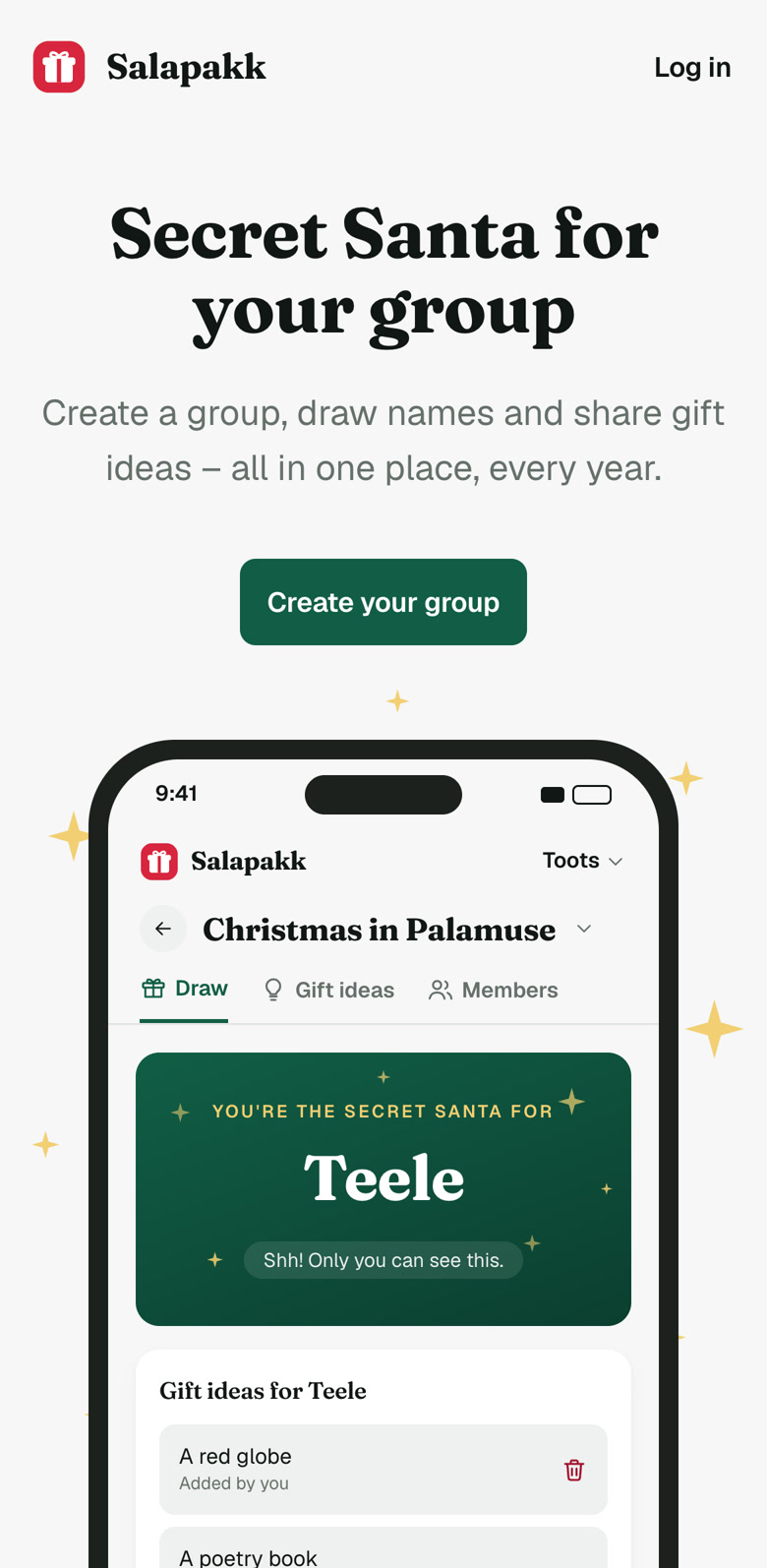
I've organised my family's Secret Santa for years. First with names on slips of paper pulled from a hat, then with online generators that looked terrible, and lately with ChatGPT. The draw itself was never the hard part. Afterwards I had to tell everyone whose Secret Santa they were, and then the questions started: what should I get her, what does he need? It turned into a game of telephone before Christmas.Salapakk puts it all in one place: you create a group, draw names and share gift ideas, every year. I built it to learn Claude Code, so every screen was designed in conversation, without a developer. I made the product and design decisions, and Claude wrote the code.

client
personal project
my role
product design, UX/UI
tools
Claude Code
project timeline
Oct 2026
status
closed beta with my family
link
salapakk.vercel.app

Who was I designing for?

These personas come from my own family, not from research. They kept me honest about who the app has to work for.

Key outcomes & solutions

Key outcome #1

I made Secret Santa easier for everyone in the group...

…by drawing names first and inviting people after

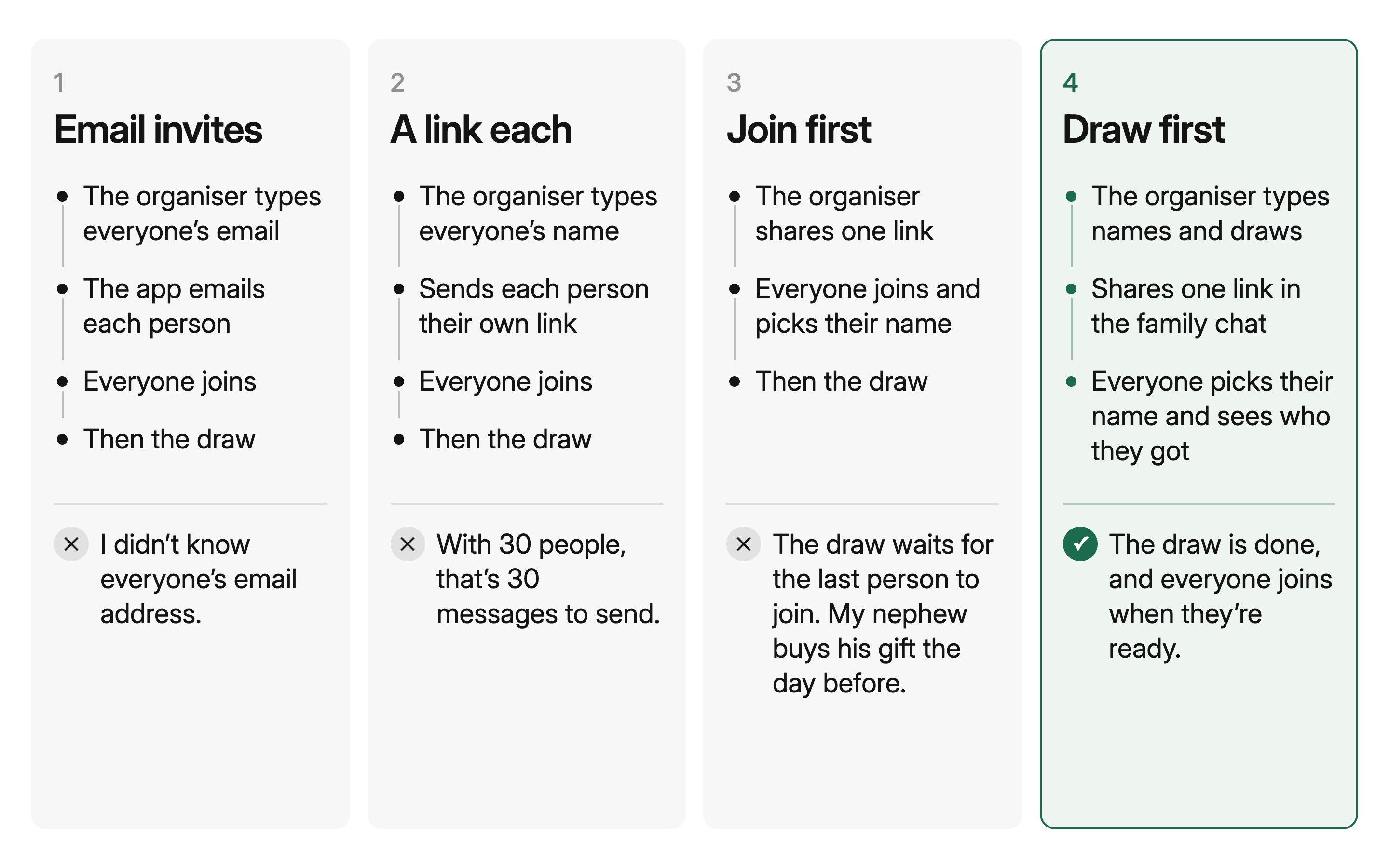
My first idea was the usual one: invite everyone, wait for them to join, then draw. When I played it through in my head with my own family, it fell apart. The draw would wait for the slowest person, and someone always takes their time. When I drew names from a hat, I simply messaged everyone the name they got. Nobody started shopping that day, but the name was there when they were ready.

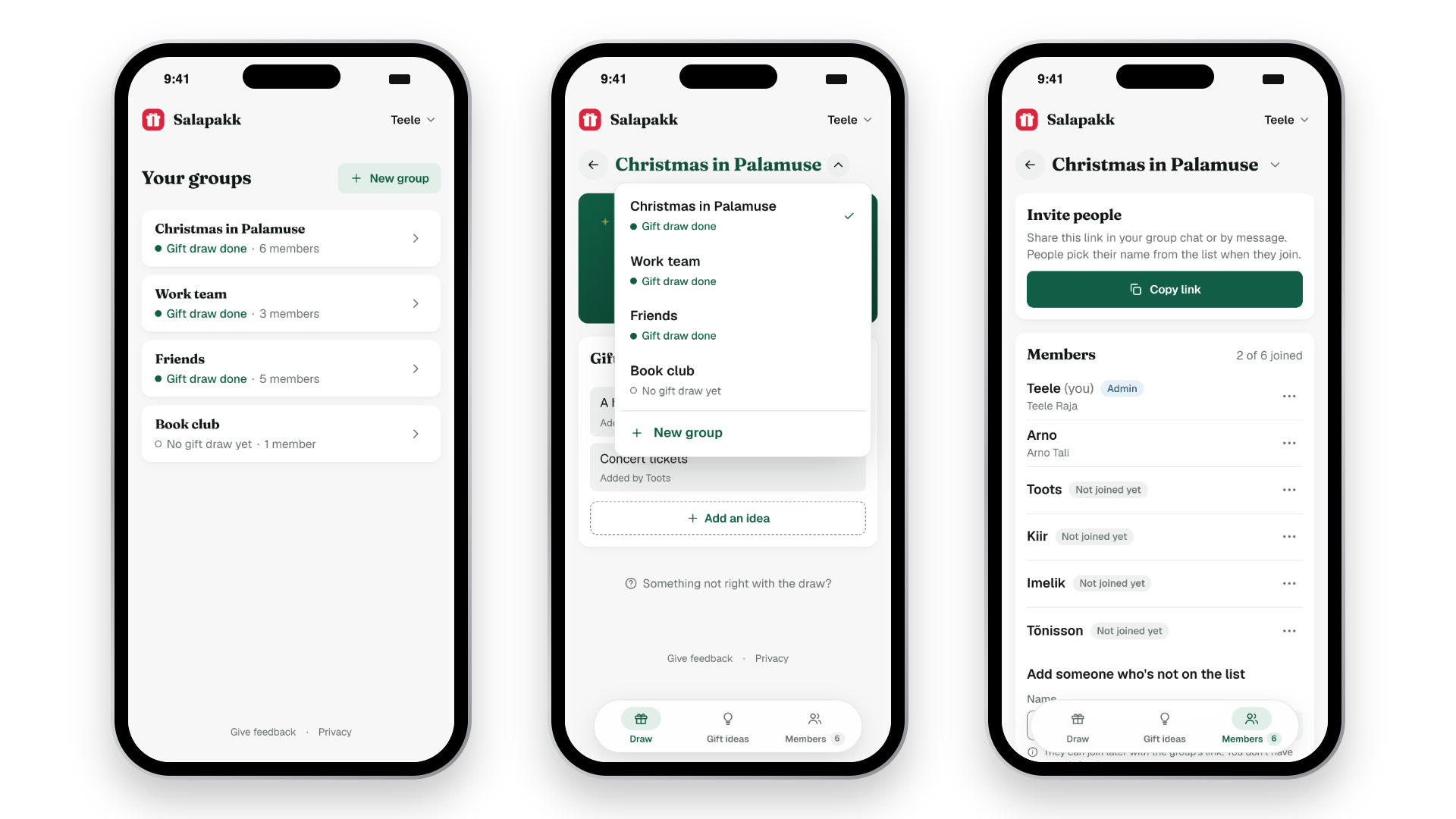
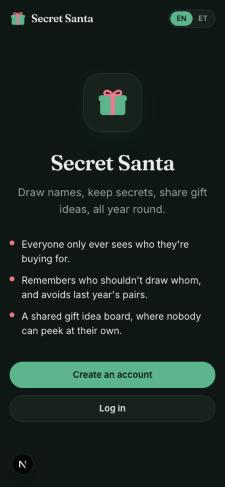
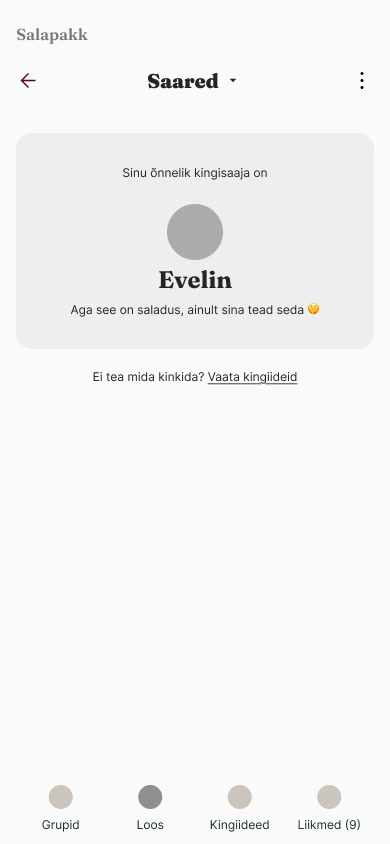
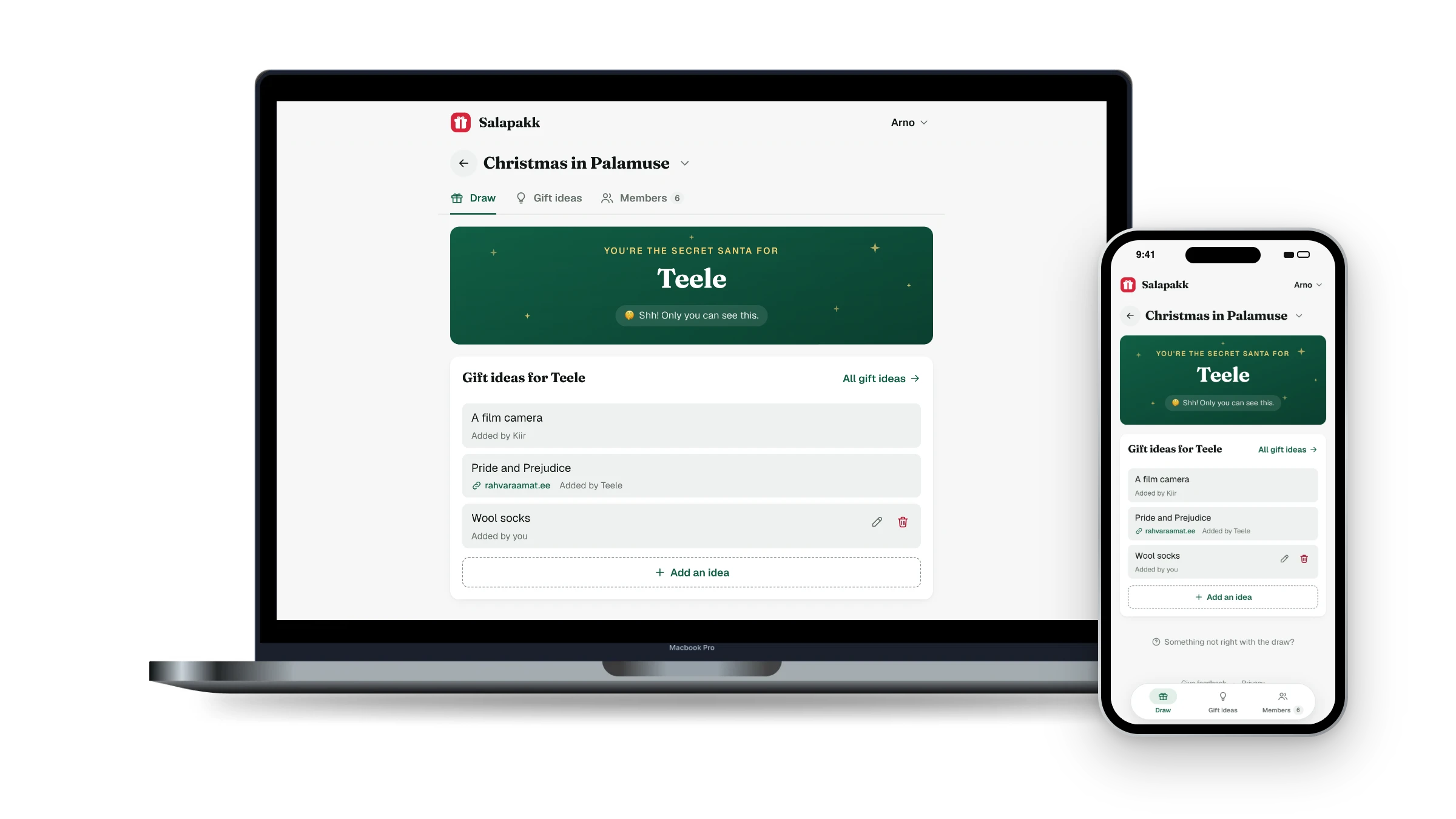
So the organiser draws first and shares one link in the group chat. Everyone picks their own name from the list, creates an account once, and sees whose Secret Santa they are. It's a web page, so there's nothing to install, which matters for someone like Ellen.

That way it works for the whole group, not only the keen ones: the slow ones no longer hold everyone else up.

…by collecting gift ideas all year, for anyone in the group

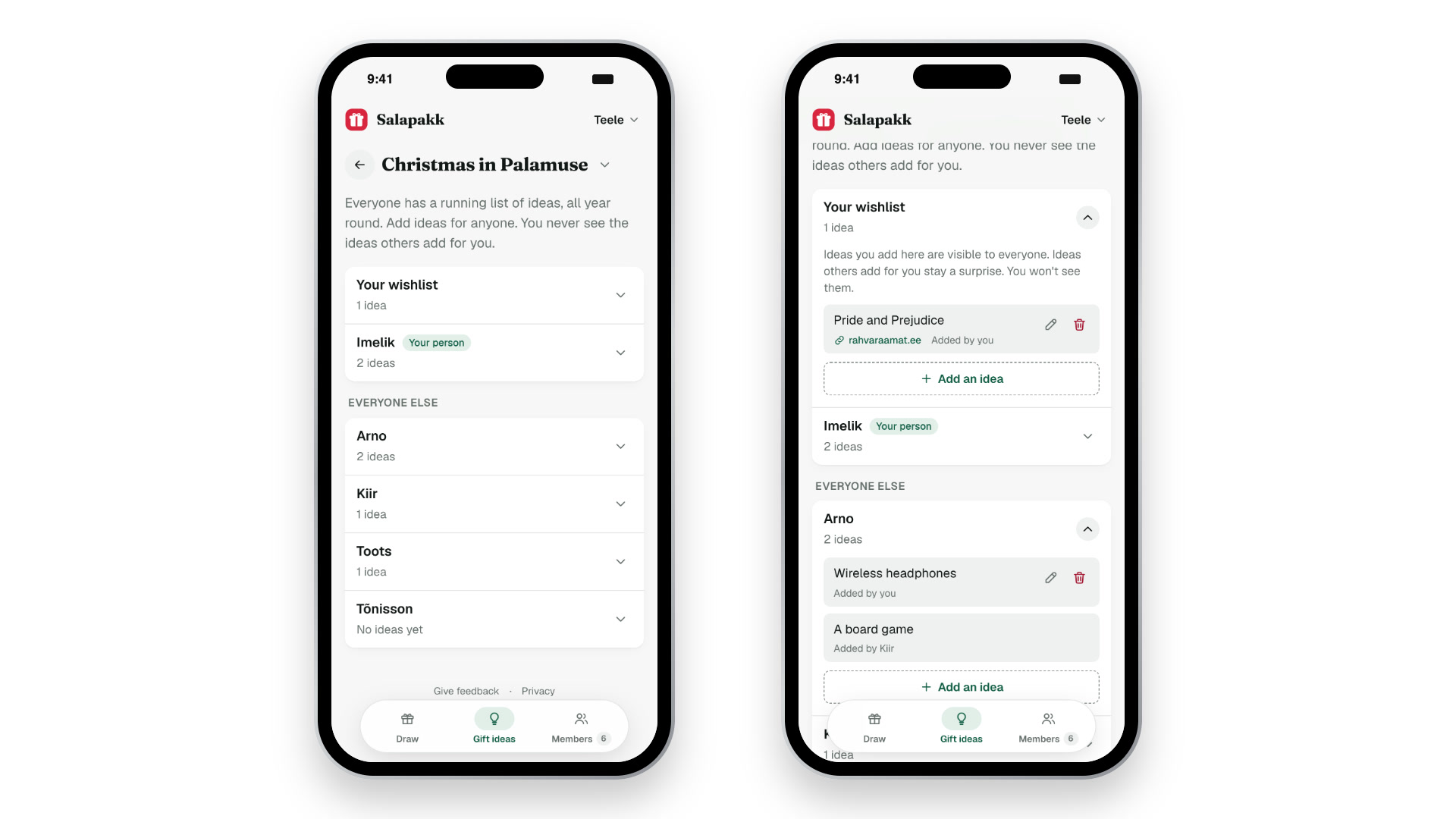
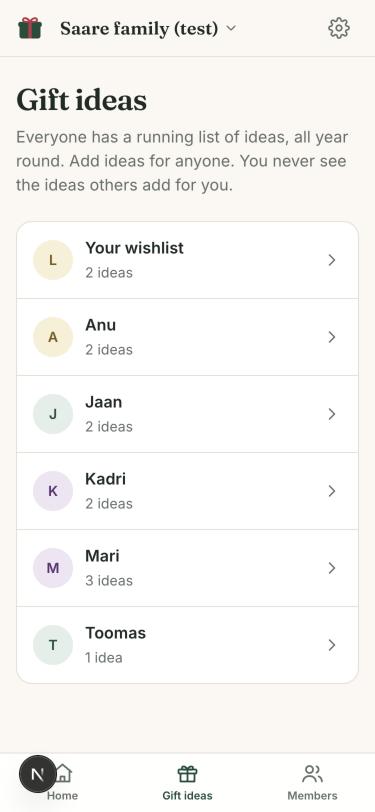
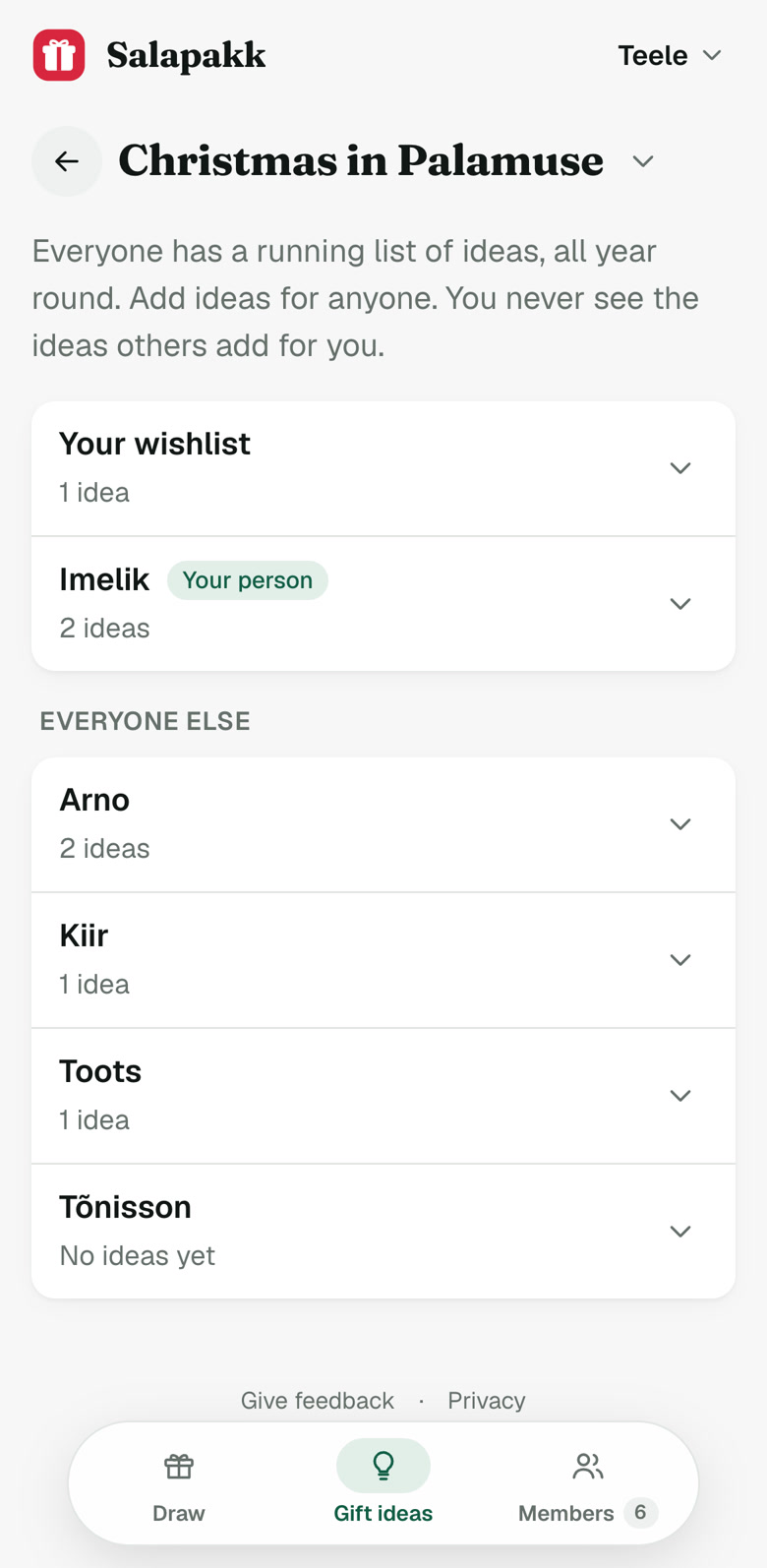
Ideas don't come in December. Someone mentions in July that they'd love a new thermos, and by Christmas it's forgotten. In Salapakk, anyone can write down an idea for anyone in the group, any time of the year, and it waits there for whoever draws that person.

You can keep your own wish list too. Nobody ever sees the ideas written about them, so the surprise stays. When you see whose Secret Santa you are, their ideas are right under the name, and the telephone game stops.

…by keeping all your groups in one place

Most people have more than one Secret Santa: family, friends, the book club, work. One account holds all of them, each with its own draw, members and ideas, and a switcher moves between them.

Each group can also use its own names for people. Teele can be just Teele in her family and Teele R. at work, and the members list shows the full name under each, so nobody wonders who joined as whom.

Key outcome #2

I made a draw people can trust, even though nobody sees who got whom...

…by setting the rules before the draw, so nobody judges the result

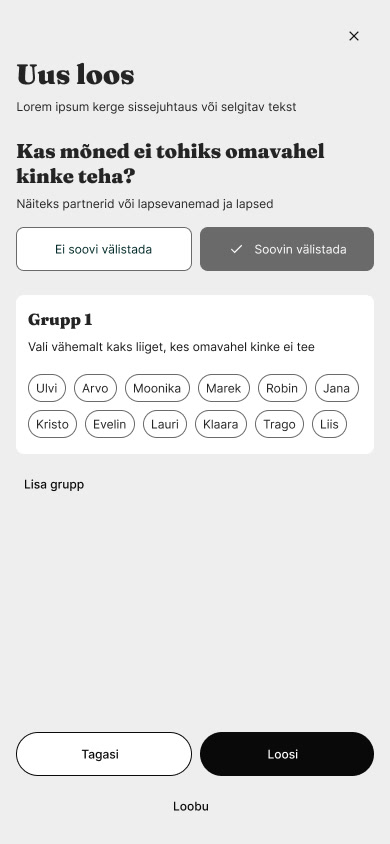
When I drew names from a hat, I saw every pair, and if a pair didn't fit, I put the names back and drew again. In Salapakk, the organiser says who shouldn't draw each other before the draw, and then sees nothing. If someone gets the same person as last year, only they see a quiet note on their own screen.

Because the organiser can't see the pairs, there's no point in drawing again until it looks right, so the app has no button for it. A new draw only happens when something changes. In the first version, anyone in the group could redo the draw. I pushed back: that gets messy, and a redo should be something the group talks about first, so only admins can do it. A security check later showed that members could also set up the exclusions to steer who they get, so now only admins can start a draw at all.

…by fixing the draw when plans change

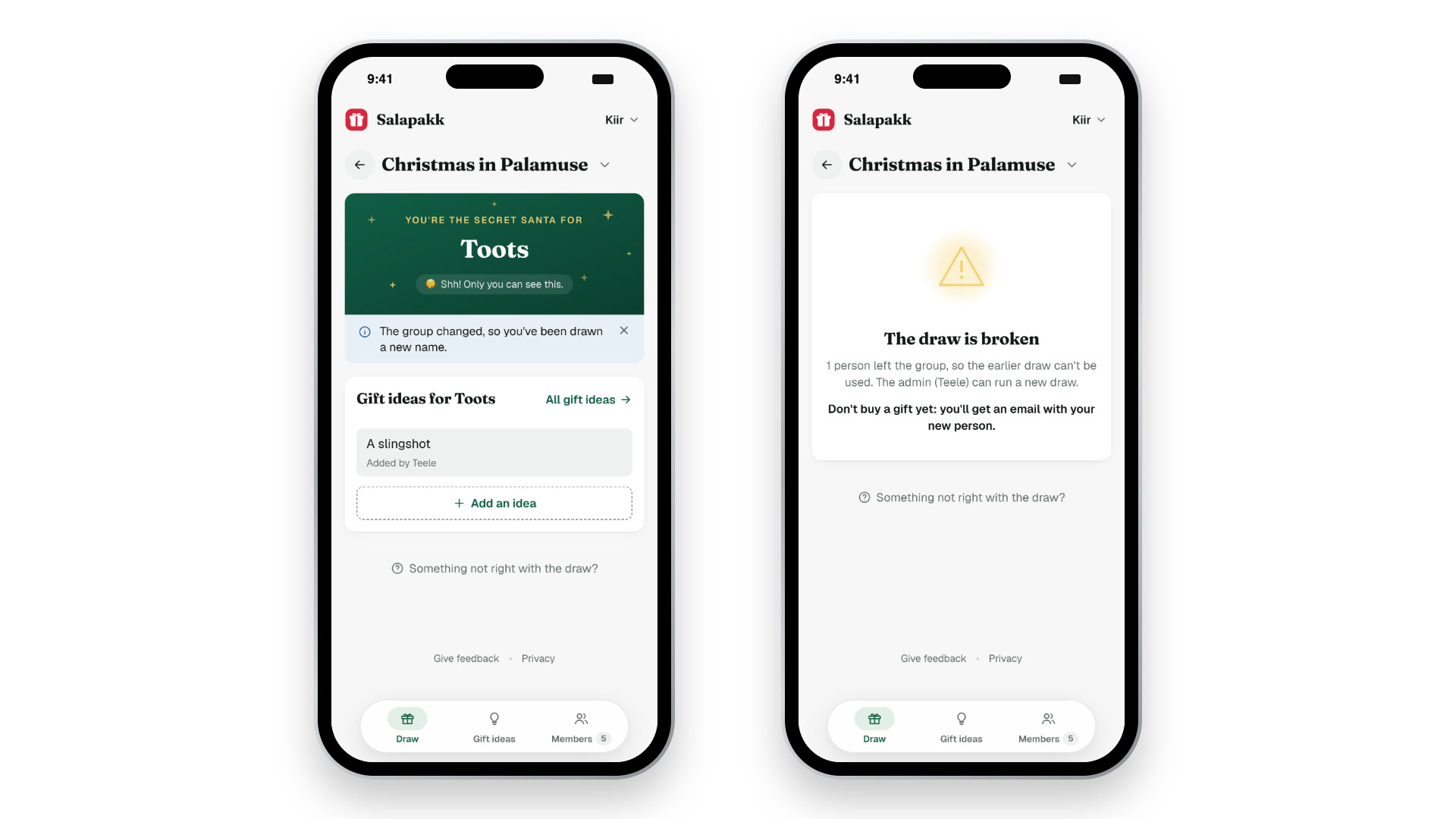
People leave, join the group after the draw, or get added by mistake. When someone leaves, the draw repairs itself so that as few people as possible get a new name, and only they are emailed.

If it can't be repaired, everyone sees that the draw is broken and is told not to buy a gift yet, until an admin draws again. Until 26 December nobody can leave a draw by themselves, because someone's gift depends on them.

A group is also never left without an admin. Claude suggested making the longest-standing member admin automatically, but that could easily be the one person who doesn't care. So when the only admin leaves, they choose who takes over.

How did I get there?

Reflection

I missed seeing every case laid out at once. In Figma I would have drawn every state of leaving a group, for an admin and a member, before and after the draw. In a live app they're spread over many screens, and I found it hard to keep track. Halfway through, I asked for one page showing every state and pop-up side by side, and that's where I'd start next time.

My family ran their first draw in October, with 12 people. Joining was slow at first: we were still discussing who would take part this year, and people knew the draw might be redone, so there was no reason to join yet. Then they joined one by one, and by 15 November everyone except my dad had joined. My mom couldn't sign up on her own: the page broke in the default browser on her Android phone, which I had never tested. I helped her through, but she could probably have done it alone if the page had worked. Next time I'd test on the phones my users actually have, not only on mine.

Nobody has sent feedback yet, and the gift ideas have barely been used: one idea from me and two from my niece for herself. Honestly, Secret Santa isn't something people think about much in November. The real test is December, when the gifts are bought and I see whether people used the ideas instead of asking around.

But wait, there's more

Let's build something together.

Get in touch